Find Pallet Suppliers for Buying, Selling & Recycling
Pallets Eco is a free referral service. Tell us what you need, whether that is buying, selling, recycling, repairing or moving pallets, and we pass your request to partner suppliers who can provide quotes.
We take requests from across the United States; availability depends on partner suppliers in your area.
How It Works
Pallets Eco connects you with partner suppliers. Four steps from request to quote.
Send Your Request
Fill out the short form with the pallet type, size, quantity and your location, and tell us whether you want to buy, sell, recycle or arrange transport.
We Share It with Partners
We pass your request to partner suppliers in our network that may be able to help in your area. Availability depends on the suppliers near you.
A Partner Follows Up
A partner supplier contacts you with a quote. Pricing is set by the supplier, based on your specifications. Requesting a quote is free and carries no obligation.
Work with the Supplier
You agree the details directly with the supplier, including pickup or delivery. The partner supplier does the physical work.
Pallet Services
From buying and selling to recycling and custom builds, you can request a quote for any of these. The work is carried out by partner suppliers; availability varies by area.
Pallet Buying
Looking to buy pallets? Tell us the size, type, grade and quantity you need, and partner suppliers can quote on new or used wood and plastic pallets.
- New and used pallets, in grades A, B and C
- Standard sizes such as 48x40, 42x42 and 48x48
- Hardwood, softwood and heat-treated options
- Delivery arranged through partner suppliers
Pallet Selling
Have surplus or used pallets to move? Describe what you have and partner suppliers may offer to buy them, depending on type, condition and location.
- Used pallets of different types and conditions
- Pickup can often be arranged by the supplier
- Offers depend on the supplier and your location
- Recurring pickups may be available
Pallet Recycling
For pallets that are past their useful life, partner recyclers can take them back. Wood that cannot be repaired can often be ground into mulch or biomass, depending on the recycler.
- Sorting into reusable, repairable and recyclable
- Reusable boards salvaged where possible
- Wood that cannot be repaired may become mulch or biomass
- Metal fasteners can be separated for metal recycling
Pickup & Delivery
Need pallets moved? Partner suppliers can arrange pickup and delivery. Share your locations, quantity and any dock or equipment limits in your request.
- Pickup of used pallets
- Delivery of purchased pallets
- Truckload and smaller loads, depending on the supplier
- Availability varies by area
Pallet Repair
Repairing a pallet can extend its working life. Repair is available through partner suppliers; availability varies by area.
- Board and stringer replacement
- Lead-board and notch repair
- Re-marking of heat-treated pallets, where applicable
- Repair instead of replacement can mean fewer new pallets built
Custom Solutions
Need a size or design that is not standard? Custom-built pallets are available through partner suppliers; availability varies.
- Custom dimensions
- Designs for specific products or handling equipment
- Heat-treated options for export
- Ask the supplier about load capacity for your design
Request a Free Quote
Tell us about your pallet needs. We pass your request to partner suppliers in our network, and a supplier follows up with a quote. Free, no-obligation quote request.
What to Include in Your Request
The more detail you give, the easier it is for a partner supplier to quote accurately. These are the details suppliers usually ask for.
Pallet type and size
Wood or plastic, and the dimensions you need, such as 48x40 (GMA) or 1200x800 mm (EUR).
Quantity
How many you need or have, and whether it is a one-off or a repeat requirement.
Grade or condition
New, or used grade A, B or C. Mention whether you need a particular entry type (2-way or 4-way).
Heat treatment
Say if the pallets are going abroad and need to be ISPM 15 heat-treated and marked.
Location and access
Pickup or delivery area, dock or ground-level loading, and any site restrictions.
Timing
When you need the pallets or pickup. Suppliers will tell you what they can do.
Materials, Designs & Grades
Knowing the basics helps you describe what you need. Here is how the main options differ in general terms. Always confirm specifics, such as load capacity, with the supplier.
Wood Pallets
Hardwood
Species such as oak and maple are dense and durable. Hardwood pallets are often chosen for heavy loads and repeated reuse, and they tend to be heavier than softwood.
Softwood
Pine, spruce and fir are lighter and easier to nail. They are common for general-purpose and lighter-duty pallets, and for one-way shipping.
Stringer and Block Designs
Stringer pallets are the most common wood design and are usually 2-way entry. Block pallets allow 4-way fork entry and are often used where handling from all sides matters.
Heat-Treated (ISPM 15)
Wood packaging for international shipments may need heat treatment to a core temperature of 56 °C for at least 30 minutes, with the IPPC mark. Requirements vary by destination country, so check current regulations.
Plastic Pallets
Plastic in General
Plastic pallets are moisture-resistant, do not splinter and are easy to wash. They usually cost more up front than wood, which is why they suit closed-loop or repeated use.
Plastic and Export
ISPM 15 applies to wood packaging material, so plastic pallets are generally outside its scope. Confirm requirements for your destination before shipping.
Pallet Grades
Grade A / #1
Typically the cleanest used pallets or new pallets, with few repairs and consistent dimensions. Suited to loads where appearance and fit matter.
Grade B / #2
Usually used pallets in good working condition that may show some repairs or wear. A common middle option for general warehouse use.
Grade C
Economy pallets with more wear or mixed repairs, often used for one-way shipments or non-critical loads. Grade definitions vary by supplier, so ask the supplier how they describe each grade.
Not Sure Which Is Right?
Describe your product, how the pallets will be handled and where they will be stored in the quote form. Partner suppliers can suggest a material and grade to match. Our guides on sizes, grades and wood versus plastic are also a good place to start.
Industries We Support
Pallet needs differ by sector. Whatever your industry, describe your products and handling in your request and partner suppliers can quote accordingly.
Warehousing & Distribution
Standard pallets for storage, racking and outbound shipments, with recurring supply or pickup discussed with the supplier.
Retail
Standard and display-style pallets for store deliveries and retail logistics.
Food & Beverage
Wood or plastic pallets for food and drink producers. Ask partner suppliers about condition and cleanliness requirements for your products.
Manufacturing
Durable pallets for heavier components and production flows, including custom sizes through partner suppliers.
Agriculture
Pallets for produce, grain and nursery stock, with attention to moisture and outdoor storage needs.
Automotive
Sturdy pallets and custom sizes for parts and assemblies. Confirm load needs with the supplier.
Construction
Rugged pallets for building materials and hardware that move through job sites.
E-Commerce & Fulfillment
Used or new pallets for inbound and outbound freight, with recurring pickup of used pallets where available.
A Simpler Way to Find Pallet Suppliers
Pallet sourcing can mean contacting many suppliers and repeating the same details. A single request gets the conversation started.
One Request, Several Options
Instead of contacting suppliers one by one, send a single request. Partner suppliers in your area may respond with their own quotes.
Free and No Obligation
Requesting a quote costs nothing and does not commit you to anything. You decide whether to go ahead with a supplier.
Buy, Sell, Recycle or Move
Whether you need pallets, have pallets to move on, or want used pallets taken away, the same form covers it.
Practical Guidance
Our guides cover sizes, grades, wood versus plastic, and ISPM 15, so you can describe what you need clearly.
The Pallet Lifecycle
A pallet can have more than one life. Here are the general stages, from first use to reuse, repair and recycling.
Materials
Wood pallets are built from dimensional lumber; plastic pallets are moulded from resin. Hardwood and softwood suit different loads and budgets.
Treatment and Marking
Wood pallets for international shipments may be heat-treated and marked under ISPM 15. Requirements vary by destination, so check current regulations.
First Use
A new pallet enters the supply chain carrying goods through storage, transport and delivery.
Reuse
Many pallets can make more than one trip. Reusing a pallet avoids building a new one.
Sorting
Used pallets can be sorted by condition: reusable as they are, repairable, or ready for recycling.
Repair
Damaged boards or stringers can be replaced so the pallet returns to use, where a partner supplier offers repair.
Recycling
Wood that cannot be repaired can often be ground into mulch or biomass, depending on the recycler, and metal fasteners can be separated for metal recycling.
Why Reuse, Repair & Recycle
Pallets are built to be handled many times. Keeping them in use for longer, and recycling them at the end, are practical ways to reduce waste. The details depend on the partner supplier.
Reuse Before Replace
Reusing a pallet avoids building a new one, which means less lumber or plastic resin going into new pallets.
Repair Extends Life
Replacing a few boards can return a damaged pallet to service rather than discarding the whole pallet.
Recycling Keeps Wood in Use
Wood that cannot be repaired can often be ground into mulch or biomass, depending on the recycler.
Metal Separated
Nails and other metal fasteners can be separated during dismantling and sent for metal recycling by recyclers that offer this.
What Happens to Recycled Pallets
Exact processes differ between recyclers, but this is the general path a used pallet can take when you request recycling through a partner supplier.
Collection
A partner supplier collects used pallets from your site, subject to availability in your area.
Sorting
Pallets are sorted by condition: reusable, repairable, or ready for recycling.
Repair or Dismantling
Repairable pallets can be fixed. Pallets beyond repair can be dismantled so usable boards are salvaged.
Wood Processing
Wood that cannot be reused can often be ground into mulch or biomass, depending on the recycler.
Metal Separation
Nails and other fasteners can be separated for metal recycling.
Export Pallets & ISPM 15
Wood pallets used in international shipments often need to meet ISPM 15. If you are exporting, say so in your request so partner suppliers can quote heat-treated, marked pallets where available.
What ISPM 15 Means
ISPM 15 is an international standard for treating wood packaging to reduce the spread of pests. Heat treatment is the most common method for pallets.
- Heat treatment brings the wood to a core temperature of 56 °C for at least 30 minutes
- Treated wood packaging carries the IPPC "wheat stamp" HT mark
- Requirements vary by destination country, so check current regulations
- Plastic pallets are generally outside ISPM 15, but confirm for your destination
Before You Request Export Pallets
Rules differ between countries and can change, so confirm what applies to your shipment before you order.
- Tell the supplier the destination country in your request
- Ask whether the pallets will carry the HT mark
- Ask about any paperwork you may need from the supplier
- Check your carrier or customs broker for current rules
Requests from Across the United States
We take requests from across the United States; availability depends on partner suppliers in your area. Include your location in the form so the request can reach suppliers who may be able to help.
Browse LocationsFrom the Blog
Plain-English guides on pallet sizes, grades, materials and recycling.
Frequently Asked Questions
Quick answers to common questions about how Pallets Eco works.
What is Pallets Eco?
Pallets Eco is a free referral service. You fill in the quote form, and we pass your request to partner suppliers in our network. The partner suppliers provide quotes and do all the physical work, such as supplying, collecting, repairing or recycling pallets.
What types of pallets can I ask about?
You can ask about wood and plastic pallets in standard sizes such as 48x40 (GMA), 42x42 and 48x48, plus other sizes. You can request new or used pallets in grades A, B or C, hardwood or softwood, and heat-treated options. Repair and custom-built pallets are available through partner suppliers; availability varies.
What areas do you serve?
We take requests from across the United States. Availability depends on partner suppliers in your area.
How much will it cost?
Requesting a quote is free and carries no obligation. Pricing is set by the partner suppliers and depends on pallet type, size, grade, quantity, location and timing.
Do I need ISPM 15 heat-treated pallets for export?
ISPM 15 covers wood packaging used in international trade. Heat treatment brings the wood to a core temperature of 56 °C for at least 30 minutes, and the pallet carries the IPPC "wheat stamp" HT mark. The requirement varies by destination country, so check current regulations and tell the supplier where your shipment is going.
What happens to pallets that cannot be repaired?
Wood that cannot be repaired can often be ground into mulch or biomass, depending on the recycler. Metal fasteners can be separated for metal recycling. What is possible depends on the partner recycler in your area.
Can I arrange regular pickups or deliveries?
Mention it in your request. Whether a recurring schedule is available depends on the partner supplier and your location.
Gallery
Pallets in Use
A look at the kinds of pallets, storage and loading that partner suppliers work with.
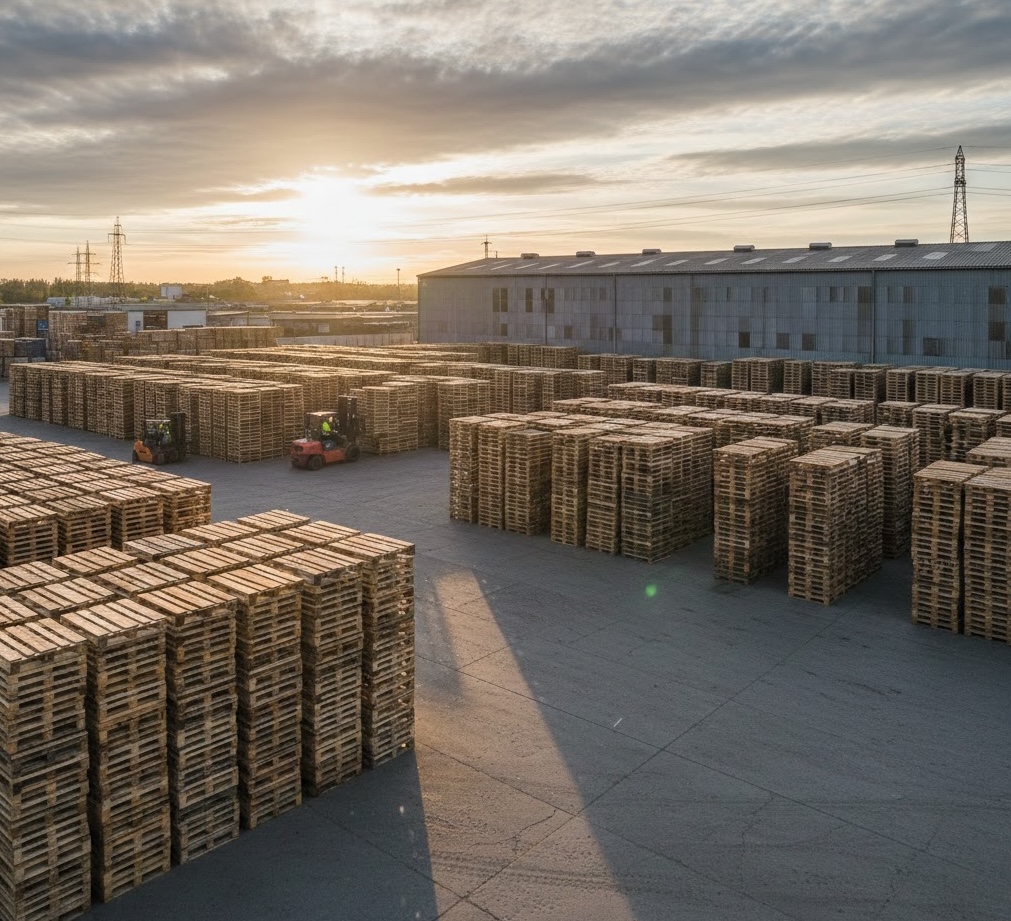
Stacked Wood Pallets
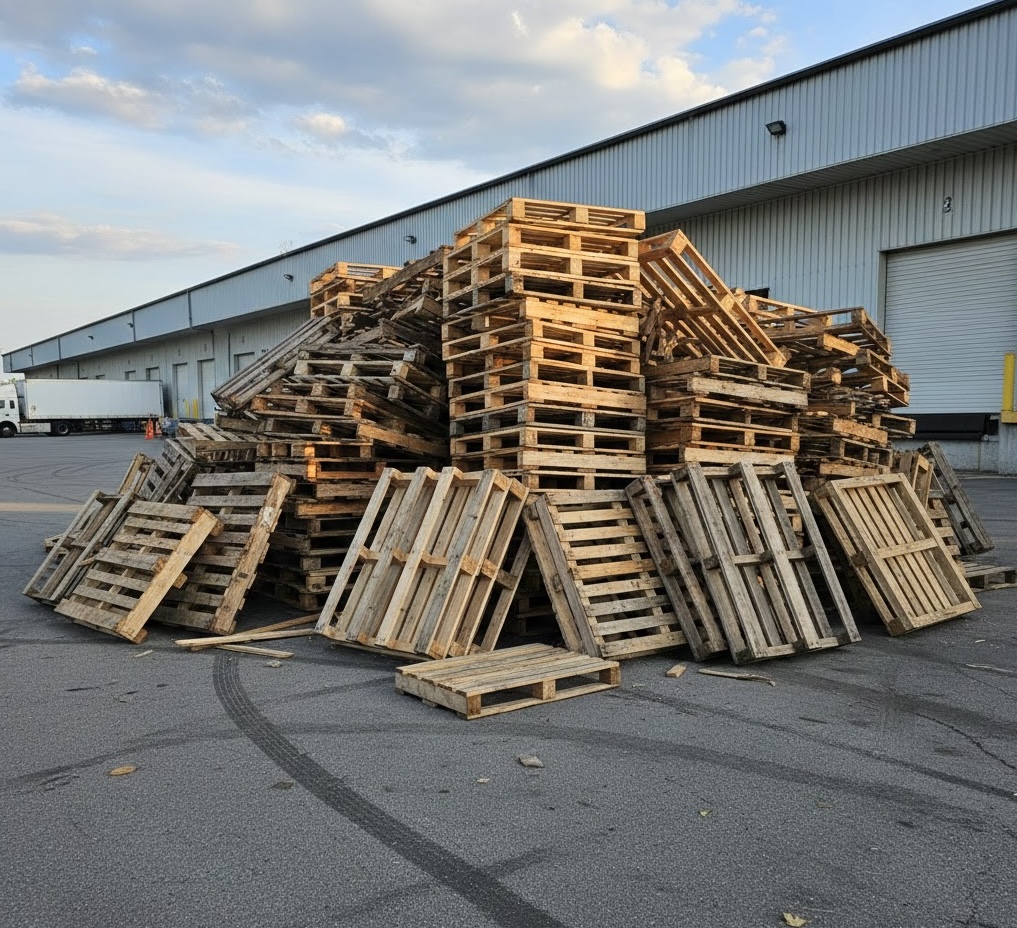
Used Pallets
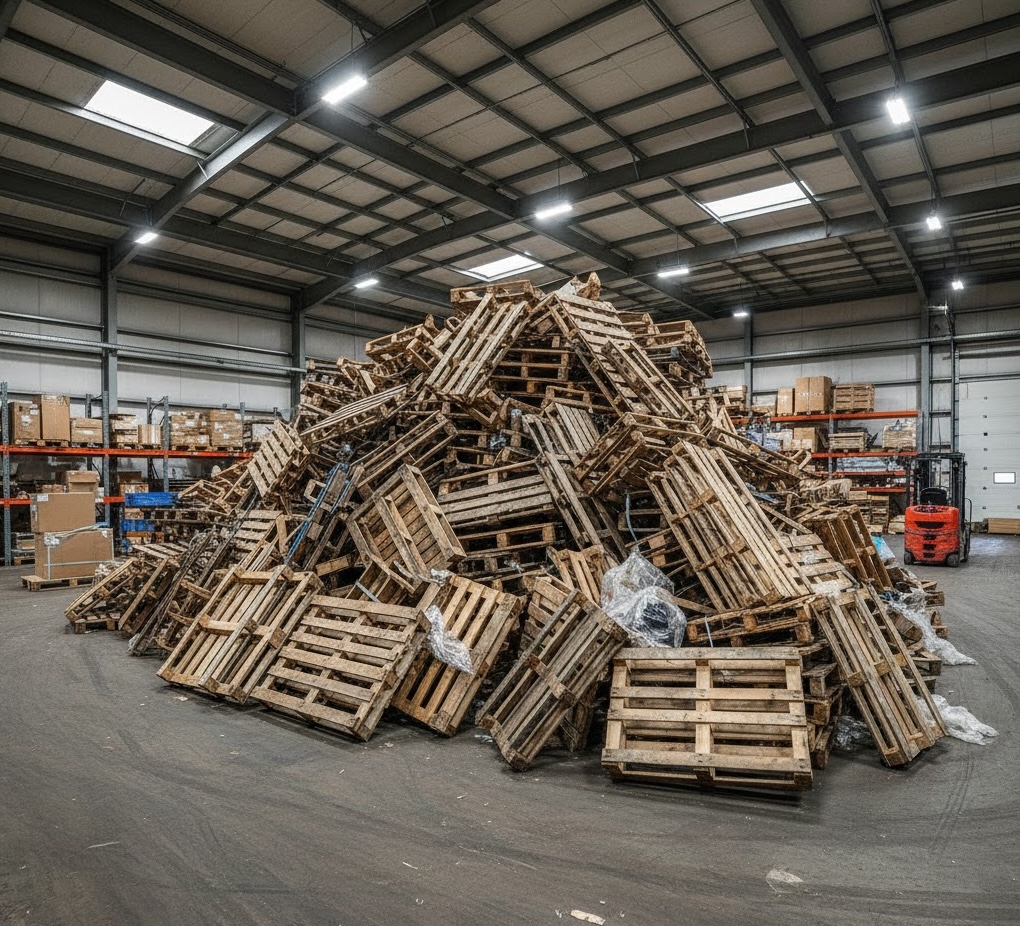
Pallets in a Warehouse
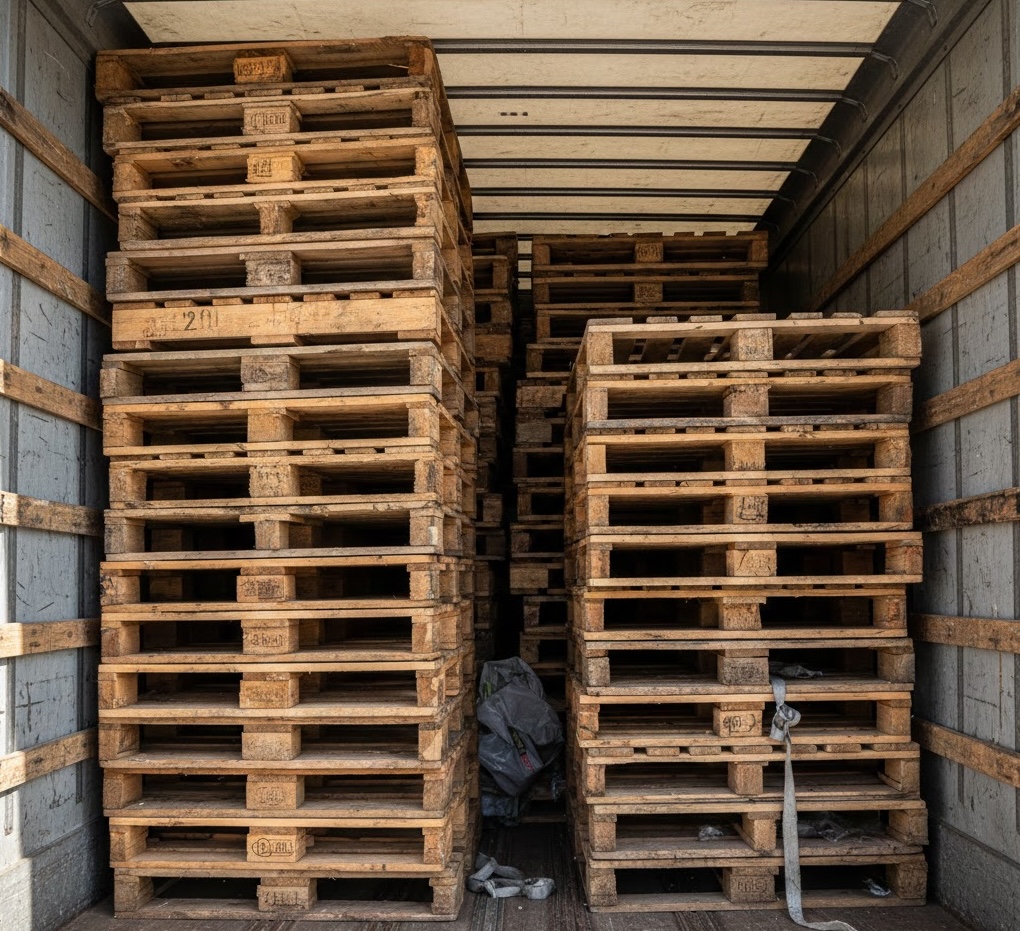
Pallets Loaded for Transport
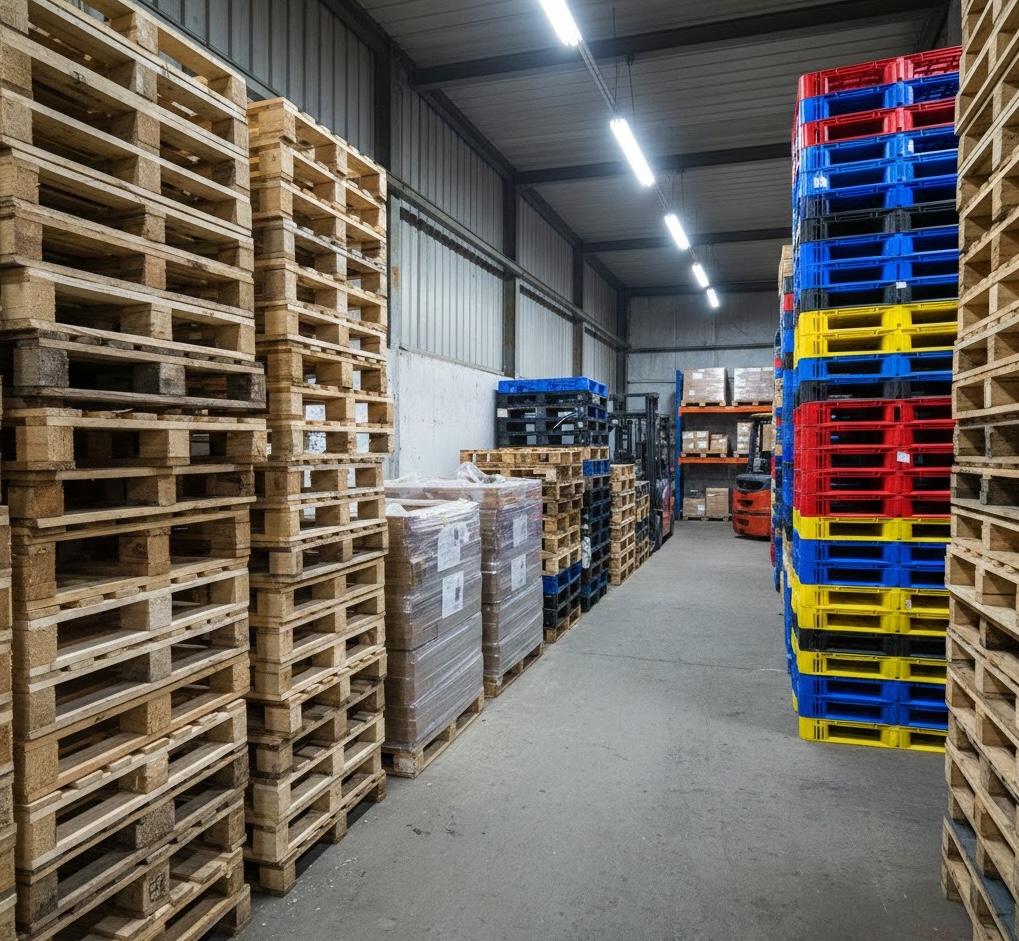
Wood and Plastic Pallets
Ready to Request Your Pallet Quote?
Tell us what you need to buy, sell, recycle, repair or move. A partner supplier follows up with a quote. Free, no-obligation quote request.